Choosing a marketing platform today is not as simple as picking the one with the most features or the flashiest dashboard. Most tools will promise automation, analytics, content creation, and everything in between. On the surface, many of them look similar. But once you actually start using them, the differences become obvious very quickly. The …
What to Look for in a Marketing Platform With Powerful Integrations
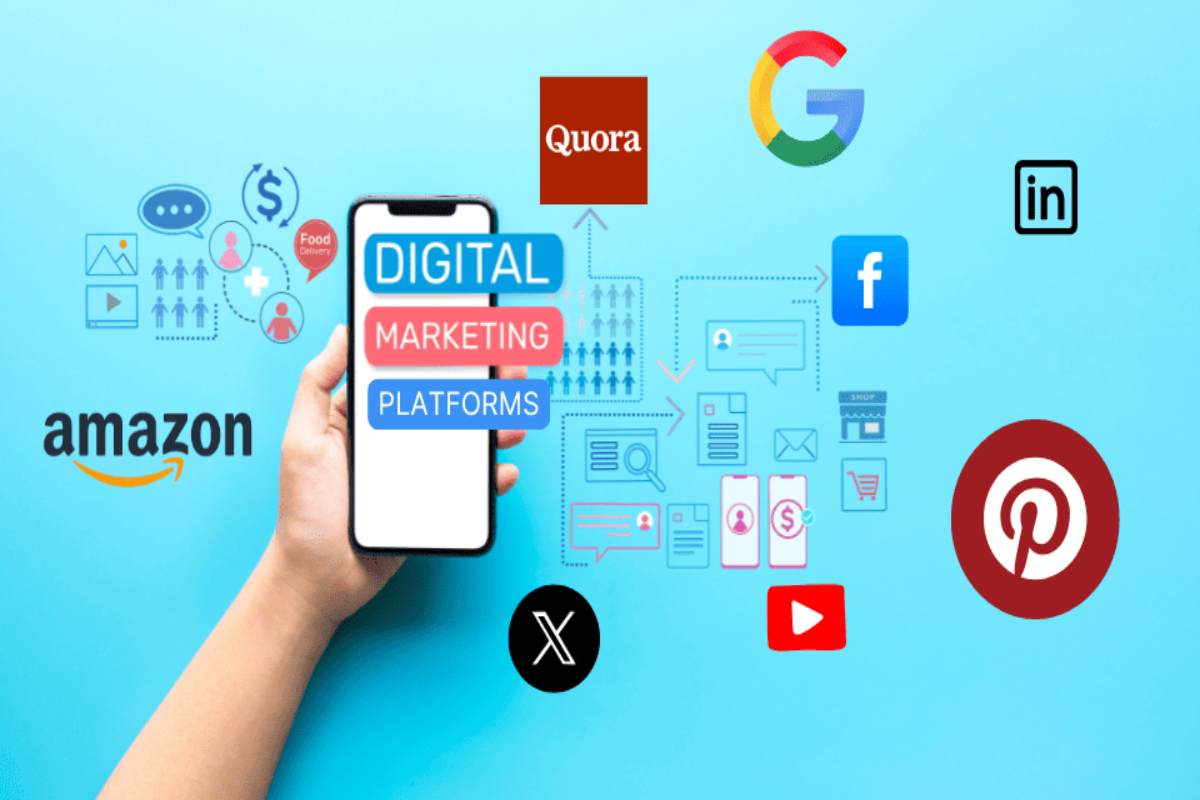
Choosing a marketing platform today is not as simple as picking the one with the most features or the flashiest dashboard. Most tools will promise automation, analytics, content creation, and everything in between. On the surface, many of them look similar. But once you actually start using them, the differences become obvious very quickly.
The real question is not “What can this platform do on its own?” but rather “How well does it work with everything else I already use?”
Because in most real businesses, marketing is not done in one place. You have social media tools, email platforms, ad accounts, analytics dashboards, landing pages, and sometimes even separate tools for content creation. If none of these talk to each other properly, you end up doing a lot of manual work just to keep things running.
That is why integrations matter more than ever.
A marketing platform with strong integrations is not just a convenience. It becomes the central nervous system of your entire marketing operation. But knowing what to look for can be tricky, especially when every tool claims to be “all-in-one” or “fully integrated.”
Let’s break down what actually matters.
This article is part of
Digital Marketing
1. Real integrations, not just surface-level connections
One of the first things to check is whether the integrations are truly functional or just cosmetic.
Some platforms say they “integrate” with other tools, but in reality, they only offer limited data syncing or basic exports. For example, being able to “connect” a social media account is not very useful if you still have to manually schedule posts or copy performance data elsewhere.
A strong marketing platform should allow:
- Two-way data flow between tools
- Automated actions based on user behavior
- Real-time syncing of campaigns and performance
If data only moves in one direction or requires constant manual intervention, it is not a true integration system. It is just a partial workaround.
2. Social media connectivity that actually saves time
Social media is usually where integration problems become obvious first. Many businesses are active on multiple platforms, but managing them separately can become chaotic.
A good marketing platform should allow you to:
- Schedule posts across multiple channels from one dashboard
- Repurpose content easily for different formats
- Track engagement in a unified view
The goal is not just posting everywhere, but maintaining consistency without duplicating effort. If you find yourself logging into each platform individually, something is missing in your setup.
Repurposing content across social media channels becomes easier when businesses use AI to adapt written material into different formats. For example, a blog post can be transformed into a short video for social platforms, helping marketers reach audiences who prefer visual content. Read our guide on how AI simplifies the transformation of text into video to learn how businesses can make their content more versatile and engaging.
3. Email marketing that connects to real user behavior
Email is still one of the highest-performing marketing channels, but it becomes significantly more powerful when it is tied to user behavior across your entire system.
Look for platforms that can:
- Automatically add leads from ads or forms into email lists
- Trigger sequences based on actions like clicks or purchases
- Segment audiences dynamically based on engagement
This kind of integration turns email from a static broadcast tool into a responsive system. Instead of sending the same message to everyone, you can tailor communication based on what people are actually doing.
When marketing platforms connect customer data with email campaigns and other channels, businesses can deliver more relevant messages based on individual interests and behaviour. AI can further support this process by helping marketers segment audiences, predict customer preferences, and tailor campaign content. Explore our guide to personalized marketing with AI to learn how these techniques can improve customer engagement and marketing relevance.
4. Advertising integration that reduces guesswork
Paid ads are where integration can make a huge difference in both performance and cost efficiency.
A strong platform should not just let you create ads, but also connect those ads to the rest of your marketing funnel. That means:
- Tracking conversions across platforms
- Syncing audience data between ads and CRM systems
- Optimizing campaigns based on real outcomes, not just clicks
Without integration, ad performance becomes disconnected from actual business results. You might know how many clicks you got, but not how those clicks translated into customers.
5. Centralized analytics that actually make sense
One of the most overlooked benefits of integration is unified analytics. Most marketers are used to jumping between dashboards: Google Analytics for traffic, social media insights for engagement, email tools for open rates, and ad platforms for conversions.
A well-integrated system brings all of this together in one place.
When evaluating platforms, look for:
- Cross-channel reporting
- Unified dashboards
- Attribution tracking across multiple touchpoints
This is where things start to become more strategic. Instead of looking at isolated numbers, you begin to understand how all your channels work together.
For example, when integrating google analytics with blaze, you are not just tracking website traffic in isolation. You are connecting content performance, user behavior, and campaign data into a single view, which makes decision-making much more grounded and less fragmented.
6. Flexibility through automation tools
No matter how good a platform is, there will always be gaps between tools. That is where automation becomes important.
Look for platforms that support:
- Workflow automation between apps
- Trigger-based actions (if this happens, do that)
- Third-party connectors like Zapier or similar tools
Automation is what turns a group of separate tools into a functioning system. Without it, integration is limited. With it, your marketing becomes much more self-sustaining.
7. Ease of use matters more than complexity
A common mistake is assuming that more advanced integration features automatically mean better results. In reality, if a system is too complicated to set up or manage, it will not be used properly.
The best platforms are the ones that balance power with usability. You should be able to:
- Connect tools without technical skills
- Understand workflows without training manuals
- Adjust integrations without breaking everything
If a platform requires constant developer support just to maintain basic integrations, it is probably not built for long-term use in a fast-moving marketing environment.
8. Scalability as your business grows
What works for a small business today might not work when your marketing expands. That is why scalability is an important factor when choosing a platform.
Ask yourself:
- Can this system handle more data as we grow?
- Can we add new channels without rebuilding everything?
- Will integrations still work if we expand our marketing stack?
A good platform should grow with you, not limit you.
Final thoughts
At the end of the day, a marketing platform is only as strong as its ability to connect everything together. Features matter, but integration is what determines whether those features actually work in a real-world environment.
The best systems are not the ones that do everything on their own, but the ones that allow everything else in your marketing stack to work together smoothly.
When your tools are properly connected, marketing stops feeling like a collection of separate tasks. It becomes a single, coordinated system where content, ads, emails, and analytics all feed into each other.
And that is where real efficiency starts to show up.

Dbusinesspractices
Saleena Begum shares expert insights on business growth, digital marketing, and profitability, helping entrepreneurs and professionals make smarter, data-driven decisions.