
Retirement planning has evolved in response to changes in how, where, and for how long people work. As traditional retirement pathways fade, a new set of trends is shaping how individuals and organizations approach financial security for later life. Both employers and employees need to understand these modern developments to make informed decisions. With methods …
Retirement Planning Trends for the Modern Workforce
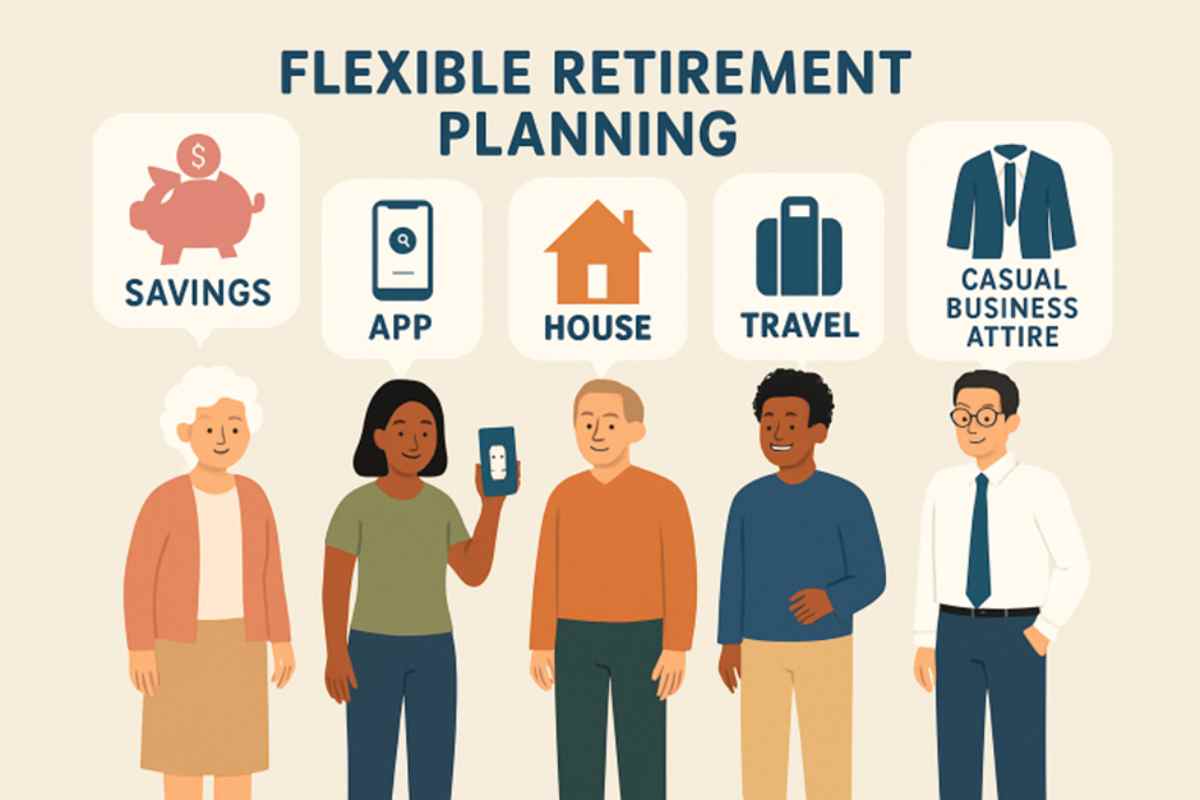
Retirement planning has evolved in response to changes in how, where, and for how long people work. As traditional retirement pathways fade, a new set of trends is shaping how individuals and organizations approach financial security for later life. Both employers and employees need to understand these modern developments to make informed decisions. With methods like retirement services for businesses, organizations are better able to adapt to these changes, making the landscape of retirement more dynamic than ever.
The demand for tailored solutions, technology-driven resources, and flexible approaches is rising, emphasizing that retirement is no longer one-size-fits-all. Companies aiming to attract and retain talent are implementing strategies going beyond monetary savings, focusing on overall financial well-being and personalized planning.
Rethinking Retirement Age
Traditionally, retirement was defined by a specific age, but today’s workforce is redefining what it means to retire. Many now seek a “work optional” lifestyle, focusing on achieving financial independence so they can work by choice rather than necessity. This trend highlights a preference for flexibility and alignment with personal goals. Individuals aspiring to reach this milestone may follow a structured plan: first, define their desired lifestyle; then, calculate the costs and consider required income streams. The process extends to assessing risk, building an investment portfolio tailored to their needs, and optimizing tax strategies. Guidance from organizations such as Kiplinger offers a detailed, practical approach to navigating this shift.
Another aspect reshaping retirement age is the evolving notion of longevity and its impact on financial requirements. People’s working lives are getting longer, and health outcomes are improving, so many are reconsidering when to stop working. For some, a later retirement enables them to maximize Social Security and employer-sponsored plan benefits. Others may opt for temporary sabbaticals to rejuvenate without fully exiting the workforce. Conversations about retirement age are becoming more nuanced, with heightened awareness of both lifestyle considerations and the need for adaptive strategies to mitigate future uncertainty.
Financial Wellness Programs
Employers are increasingly investing in workplace-based financial wellness programs, recognizing that employee well-being is closely linked to overall productivity and retention. These programs typically feature a suite of resources, including budgeting tools, debt management solutions, and education on maximizing contributions to workplace retirement plans. The overarching goal is to relieve financial stress and ensure employees feel equipped to manage their financial futures. By providing easy access to these resources, employers can create an environment where employees are more focused and engaged.
Additionally, the rise of personalized digital portals and ongoing educational workshops makes it easier for employees to take advantage of these offerings. Proactive financial wellness initiatives can lead to higher savings rates, reduced absenteeism, and greater overall job satisfaction, further aligning employer goals with employee needs. These ongoing efforts also signal to employees that their financial security is a top priority, strengthening organizational culture in a competitive job market.
Technological Integration
Advances in technology are streamlining retirement planning processes in ways that were unheard of a decade ago. Tools like robo-advisors, intuitive budgeting apps, and interactive retirement calculators are giving users more control than ever. These platforms, often integrated with mobile devices, allow users to monitor and adjust their plans at any time. For younger generations, especially, automation tools such as automatic payroll contributions and reinvestment options ensure consistency and ease, reducing the likelihood that important steps are missed. Forbes highlights how technology-driven financial planning is changing attitudes and making planning more accessible.
The adoption of artificial intelligence and machine learning continues to improve the accuracy of projections and risk assessments. Virtual workshops and digital consultations have also become common, bridging the gap between tech-savvy workers and seasoned professionals who might need additional guidance. By harnessing innovation, companies and individuals gain the agility to adapt to market changes, regulatory developments, and evolving personal circumstances throughout the retirement journey.
Diversified Income Streams
With volatility in global markets and the declining availability of defined-benefit pensions, workers are developing diversified retirement-income strategies. This often means supplementing traditional retirement accounts with investments in real estate, small businesses, dividend portfolios, or annuities. Additionally, many are developing passive income through side businesses or consulting, helping to insulate themselves from economic instability or unexpected job changes. This approach reduces dependence on any single asset class, improving resilience and long-term confidence in their financial plans.
An increased interest in alternative investments, such as peer-to-peer lending, sustainable assets, and international funds, further underscores the importance of portfolio diversification. The ability to draw retirement income from a mix of sources helps retirees navigate inflation and shifting market conditions, while also allowing greater freedom in lifestyle choices or financial support for family members, such as education or health care for loved ones.
Micro-Retirements
Micro-retirements are small sabbaticals people take over the course of their careers, stepping away from work for a few weeks or months to travel, pursue personal projects, or simply rejuvenate. Unlike traditional paid time off, micro-retirements are planned, full breaks from work designed to enhance long-term well-being. This emerging trend reflects a recognition that people’s working lives are longer, and that spacing out periods of rest and personal development can yield greater job satisfaction and fulfillment. The Week explores how this trend aligns with shifts in employment and longevity.
Forward-thinking employers are exploring policies like extended unpaid leave and re-entry programs. These changes recognize that, as the nature of work evolves, the traditional concept of a lifelong linear career is being replaced by flexible and cyclical models. Micro-retirements can help workers find renewed motivation and build broader skill sets, making them more adaptable to future workplace changes and more engaged when they return to their regular roles.
Personalized Financial Advice
Despite increased access to digital tools and benefits, many workers remain uncertain about their retirement readiness. Employers are responding by providing more tailored financial education, sometimes offering one-on-one sessions with financial advisors. While research shows high levels of trust in employer-sponsored advisors, engagement remains a challenge. Employers can help by tailoring advice to factors such as career stage, income, or family situation. This individualized support is shown to improve financial outcomes, build loyalty, and boost retirement plan participation.
Personalized sessions can also address unique challenges faced by gig workers, freelance professionals, or employees with non-traditional family structures. With advice aligned to their specific needs and circumstances, participants are more likely to set clear goals, create realistic budgets, and stay on track as they navigate career and life changes that impact their retirement strategies. By fostering this level of one-on-one engagement, employers invest in their people’s long-term well-being.
Phased Retirement
Phased retirement is gaining traction in private sector workplaces, allowing employees to transition out of full-time work gradually. By reducing workload over months or years and often maintaining some salary and benefits, workers gain the flexibility to adjust their lifestyles and explore options before fully retiring. This approach benefits employers as well, as experienced employees transfer knowledge to younger staff and help ensure organizational continuity. Forbes Business Council notes how this model is redefining the retirement transition and encouraging more personalized, adaptable exit strategies.
Phased retirement also appeals to employees seeking an active yet balanced lifestyle in their later years. Opportunities to mentor colleagues, continue learning, or try new roles keep individuals engaged for longer. It provides an invaluable bridge for organizations seeking to optimize both the transfer of skills and the retention of institutional knowledge, thereby enabling a smoother succession-planning process.
Final Thoughts
The modern workforce is rewriting the rules of retirement. Employees now expect flexibility, comprehensive support, and solutions that extend beyond investment management. By embracing flexible retirement ages, advancing financial wellness, leveraging technology, diversifying income sources, encouraging micro-retirements, offering personalized advice, and supporting phased exits, organizations and individuals can successfully navigate this new era of retirement planning. These trends point to a more resilient, personalized, and fulfilling path to retirement for all.

Dbusinesspractices
Saleena Begum shares expert insights on business growth, digital marketing, and profitability, helping entrepreneurs and professionals make smarter, data-driven decisions.