The shift to digital education has changed the way we approach academic advancement. Whether a student is just starting out on their bachelor's degree or deep into the specialized study required for a doctorate, the classroom is increasingly being housed in the cloud. However, this ease comes at a cost: the collecting of massive volumes …
Privacy by Design: What Students Should Know About Online Learning Platforms
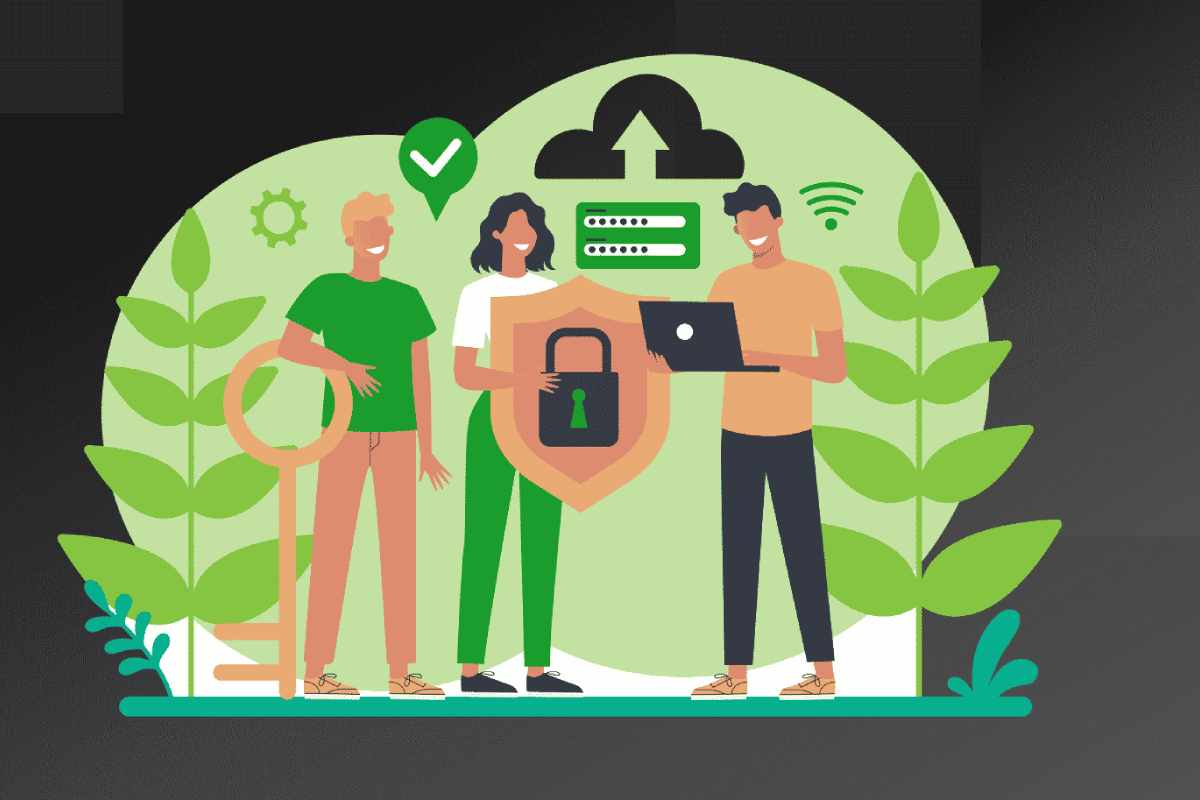
The shift to digital education has changed the way we approach academic advancement. Whether a student is just starting out on their bachelor’s degree or deep into the specialized study required for a doctorate, the classroom is increasingly being housed in the cloud. However, this ease comes at a cost: the collecting of massive volumes of personal and behavioral information.
For students navigating online university studies, understanding the concept of “Privacy by Design” (PbD) is no longer just for IT professionals, it is a critical part of digital literacy.
What is Privacy by Design?
Privacy by Design is a framework where privacy is integrated into the very fabric of technology, rather than being “bolted on” as an afterthought. When an online learning platform follows these principles, it means your data is protected automatically, the settings are private by default, and the system is transparent about how your information is used.
For a student pursuing a master’s degree, where professional networking and peer-to-peer collaboration are frequent, knowing that a platform was built with these safeguards provides the peace of mind needed to focus on academics rather than data leaks.
Why Students Should Care
When you engage in digital learning, you aren’t just uploading assignments. You are providing data on your location, your login habits, your interactions with peers, and even your facial biometrics if the platform uses automated proctoring.
Data Minimization: A platform practicing Privacy by Design should only collect what is strictly necessary. For example, to enroll in a bachelor’s degree program, a site needs your identity and academic history, but it shouldn’t necessarily need constant access to your device’s microphone or contact list outside of active classroom hours.
Long-term Digital Footprints: The data generated during your online university studies can follow you. Since many degrees take years to complete, the cumulative data profile a platform builds is extensive. Students should look for platforms that offer “Right to be Forgotten” or data deletion policies once the degree is conferred.
Research Integrity: For those working toward a doctoral degree, privacy is often linked to the security of original research. If a platform lacks robust end-to-end encryption or clear data ownership policies, intellectual property could be at risk.
Practical Tips for the Digital Student
While institutions have a corporate responsibility to choose secure vendors, students can take proactive steps to protect themselves:
Audit Your Permissions: Regularly check the app permissions on your tablet or laptop. Does your learning management system (LMS) really need access to your photo gallery or location services at all times?
Read the “Privacy default”: Before starting your first semester of a master’s degree or other advanced program, look at the privacy settings. Is “share my data with third-party partners” checked by default? If so, opt-out.
Use Dedicated Hardware: If possible, use a specific browser or a separate user profile on your computer for online university studies. This helps isolate your educational data from your personal social media and banking activities.
Understand Proctoring Tools: If your course requires remote invigilators, ask your department for their privacy policy. Know exactly what is being recorded (screen, webcam, or keystrokes) and how long that data is stored.
As digital business practices continue to evolve, the education sector must lead the way in ethical data management. For a student progressing from a foundational bachelor’s degree into a more specialized master’s degree, the transition often involves using more collaborative and data-intensive platforms. It is essential to recognize that you are not just a user of these digital tools, but a stakeholder whose personal information deserves the highest level of protection by default. Choosing platforms that prioritize “Privacy by Design” ensures that your focus remains on your coursework rather than on the security of your personal data.
Looking ahead, those pursuing the rigorous research of a doctoral degree or engaging in long-term online university studies must view digital privacy as a fundamental component of their academic integrity. By advocating for transparent data policies, students help push the educational technology industry toward a future where innovation supports learning without compromising an individual’s digital footprint. Ultimately, staying informed about how these platforms handle your information ensures that your academic journey remains a secure path toward your professional goals.