
You know something’s wrong when the noise suddenly stops. On a busy construction site, silence is suspicious. Someone waves from across the lot. A forklift is waiting. The delivery truck is blocking the entrance. Three different crews are looking around for instructions. And somewhere in the middle of it all, a supervisor is holding a …
How Walkie-Talkie Communication Improves Workflow
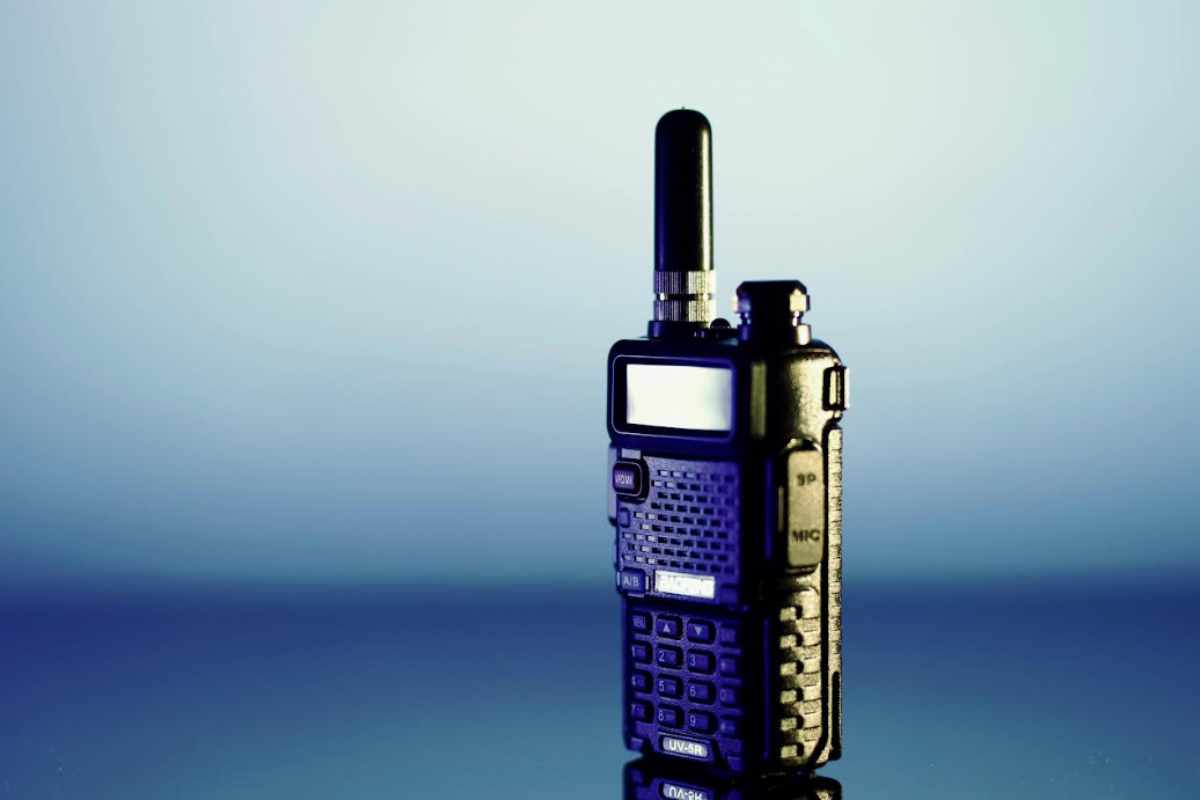
You know something’s wrong when the noise suddenly stops.
On a busy construction site, silence is suspicious. Someone waves from across the lot. A forklift is waiting. The delivery truck is blocking the entrance. Three different crews are looking around for instructions.
And somewhere in the middle of it all, a supervisor is holding a phone up in the air trying to find a signal.
No bars.
Again.
This is the exact moment when teams rediscover an old but reliable hero of field communication: the walkie-talkie.
Because when operations get chaotic—and they always do—the fastest solution isn’t another app or notification. It’s a simple button. Push. Speak. Done.
Why Field Operations Don’t Have Time for Phone Tag
Let’s talk about the reality of field work.
Things move fast. Materials arrive early. Equipment breaks down. Someone needs confirmation before moving a load across the site.
And the worst thing you can introduce into that environment?
Delay.
Phones, for all their brilliance, introduce friction.
You unlock the screen.
Open the contact list.
Place the call.
Wait for it to ring.
Hope someone answers.
Or maybe you send a text… which gets read ten minutes later.
Meanwhile the forklift driver is still waiting.
A walkie-talkie removes all of that.
Press the button.
Speak your message.
The whole team hears it instantly.
No dialing. No apps. No “Sorry, I missed your call.”
Just communication.
Seconds Matter More Than People Realize
Here’s something that doesn’t show up on spreadsheets: the cost of small delays.
Imagine a warehouse supervisor trying to confirm if a loading dock is ready.
With a phone:
Call.
Ring.
Missed call.
Call back.
Finally connect.
Now imagine the same interaction with a walkie-talkie.
“Dock three ready?”
“Ready.”
That’s it.
Five seconds instead of two minutes.
Multiply that across dozens—sometimes hundreds—of interactions per shift and suddenly workflow feels dramatically smoother.
Small efficiencies stack up quickly.
Large Work Sites Demand Instant Reach
Field operations rarely happen in neat little rooms.
They happen across wide spaces.
Construction zones.
Distribution centers.
Outdoor event venues.
Security perimeters.
Sometimes teams are hundreds of yards apart, working in completely different areas of the site.
Walking back and forth wastes time. Calling everyone individually wastes even more.
Walkie-talkie communication solves this instantly.
One message reaches the entire team.
A supervisor can coordinate multiple crews at once without leaving their position. Workers can report problems the moment they happen.
And problems solved early are almost always cheaper than problems discovered late.
Phones and Field Work… Aren’t Always Friends
Let’s be honest: using a phone while carrying materials or operating equipment isn’t exactly convenient.
Or safe.
Field workers often have their hands full—literally. Tools, equipment, safety gear, machinery controls.
Now imagine trying to unlock a phone, scroll through contacts, and place a call while wearing gloves.
Not ideal.
Walkie-talkies are built for this environment.
Push-to-talk communication allows workers to relay information quickly without fumbling with screens. Many systems even support headsets or shoulder microphones, keeping communication accessible while both hands stay on the job.
Work continues.
Communication continues.
No awkward juggling required.
When Cell Service Disappears
There’s another reality of field work that office teams sometimes forget.
Cell service isn’t guaranteed.
Remote construction zones. Underground areas. Large buildings. Crowded venues. These environments can weaken—or completely block—mobile signals.
And when communication depends entirely on cell networks, things get frustrating quickly.
Walkie-talkies operate independently of typical cellular service, which means teams stay connected even in locations where phones struggle.
That reliability is one reason industries like construction, event management, logistics, and security still rely heavily on radio communication systems.
Organizations looking to upgrade their communication tools often explore modern walkie-talkie systems that combine traditional push-to-talk functionality with expanded coverage and durability. Businesses interested in improving team coordination can learn more about walkie-talkie solutions and how they support real-world field operations.
Because when communication matters, reliability matters more.
Communication Is Also a Safety Tool
Efficiency is great.
Safety is essential.
Field environments contain moving equipment, heavy materials, elevated platforms, and constantly changing conditions. Quick communication can prevent accidents before they happen.
A supervisor spots a hazard.
A worker notices unstable equipment.
A vehicle enters the wrong area.
With walkie-talkie communication, warnings can be broadcast instantly to the entire team.
No waiting.
No confusion.
Everyone hears the message at the same time.
That speed can make a meaningful difference in high-risk environments.
Simple Tools Often Win
Technology keeps getting more complicated.
New apps. New platforms. New systems promising smarter communication.
And sometimes those tools are useful.
But on a loud job site with dust in the air and machines moving everywhere, simplicity often wins.
A walkie-talkie does one thing extremely well: it lets people talk instantly.
Push the button.
Say what needs to be said.
Keep working.
In field operations, where timing and coordination drive productivity, that simplicity turns into real workflow efficiency.
And on a busy site, that advantage is hard to ignore.

Dbusinesspractices
Saleena Begum shares expert insights on business growth, digital marketing, and profitability, helping entrepreneurs and professionals make smarter, data-driven decisions.